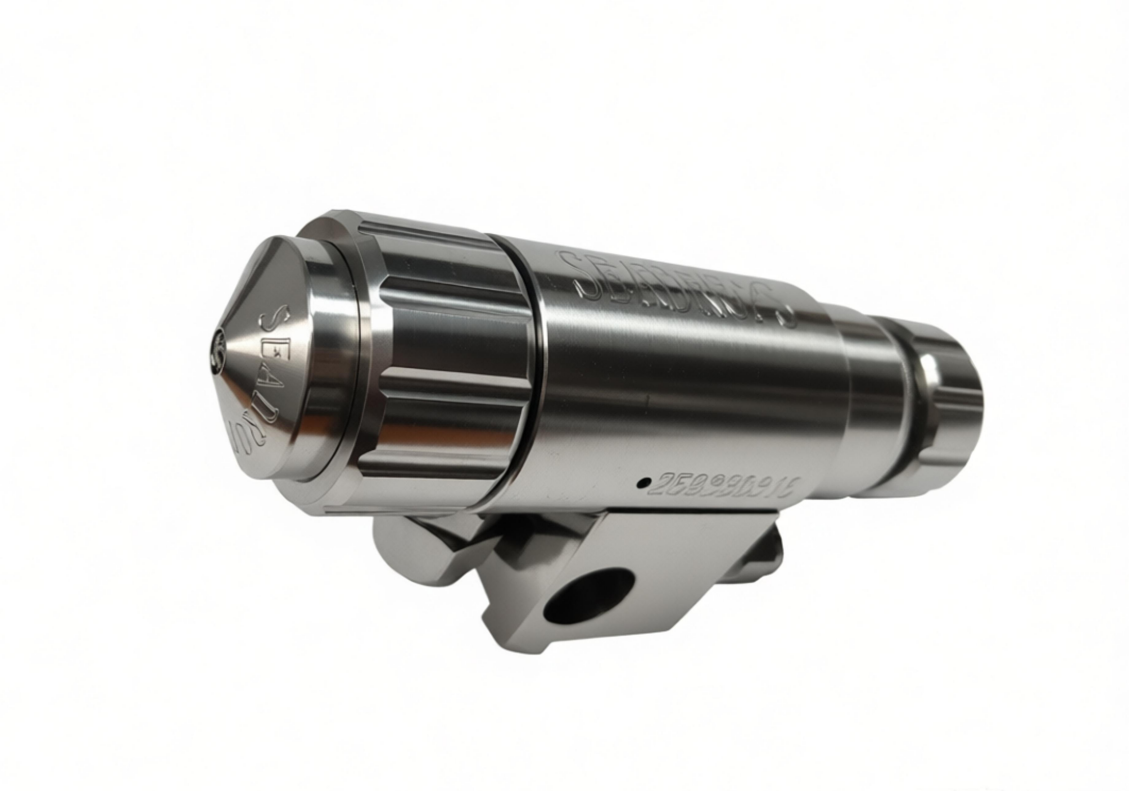
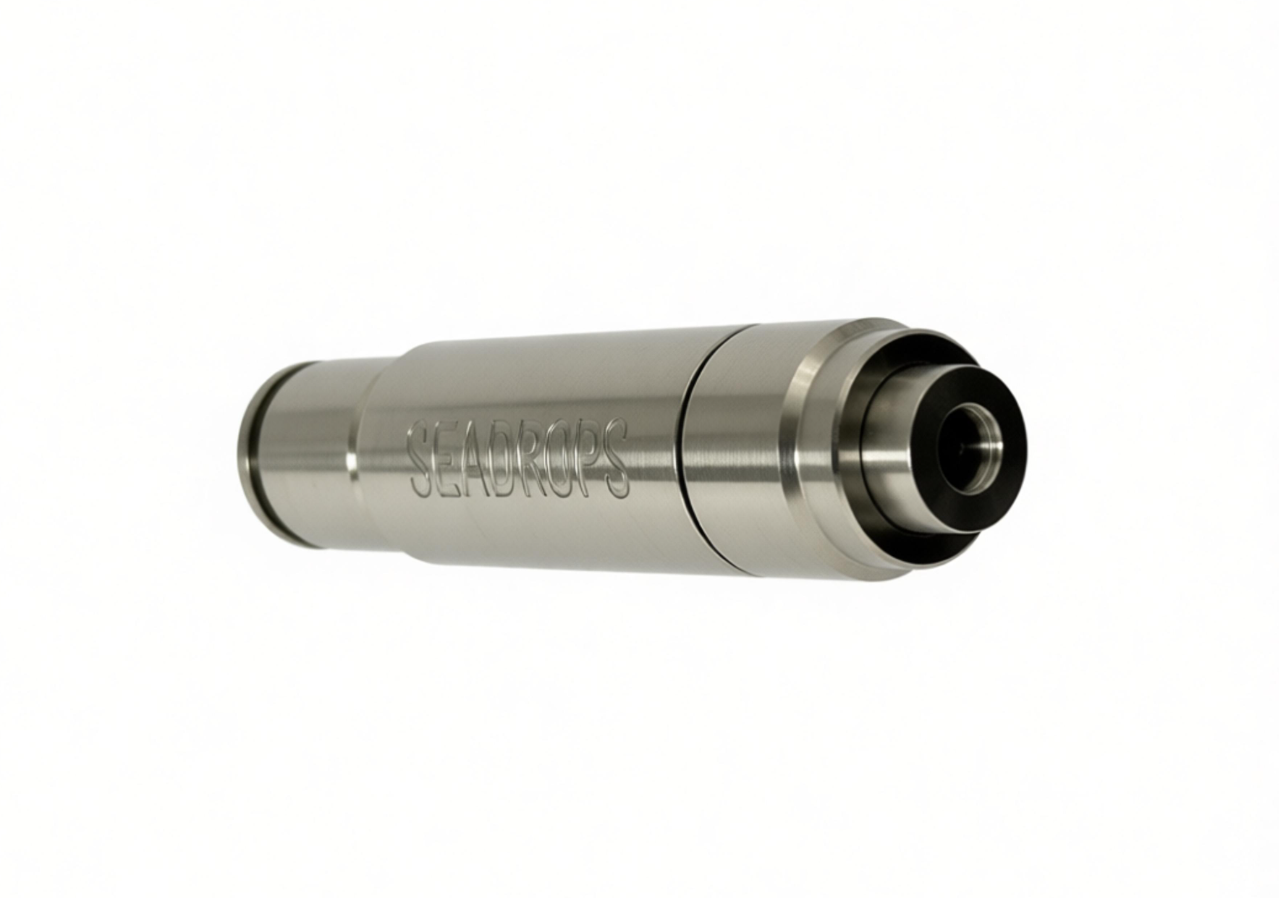
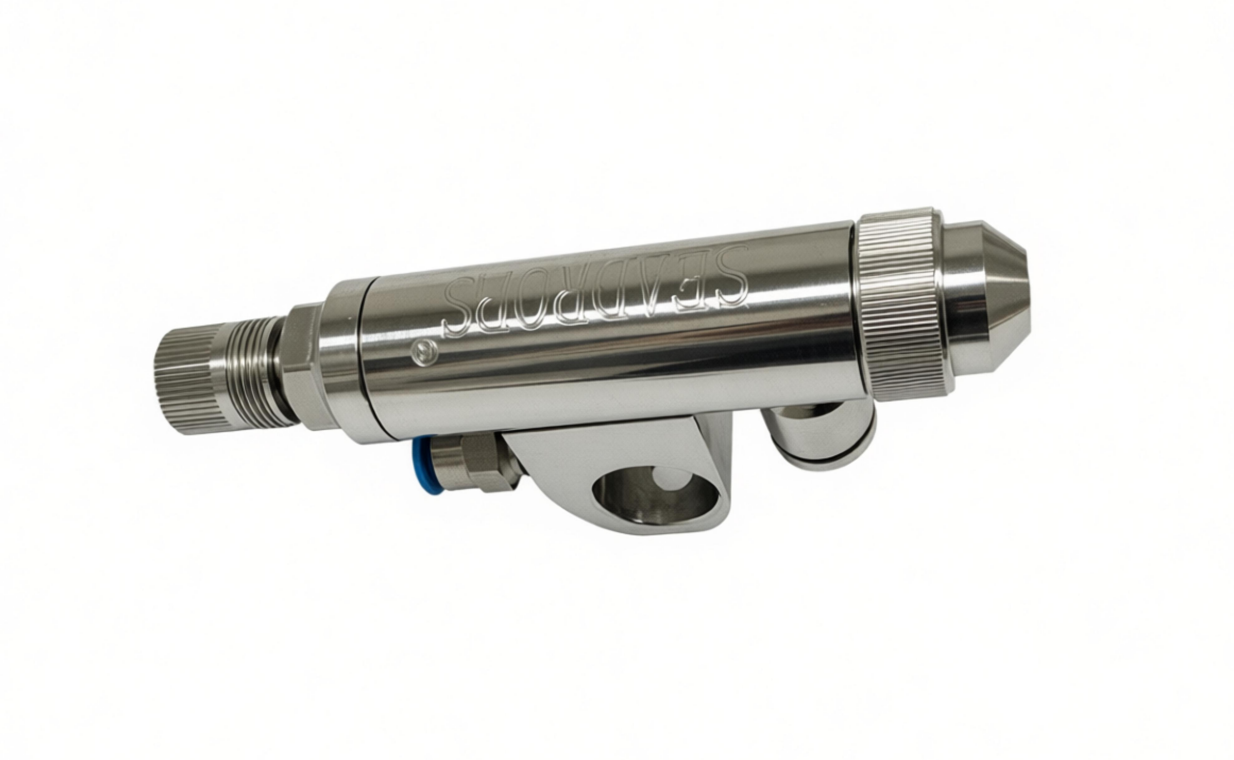
1. What is a Food Stainless Steel Spray Gun?
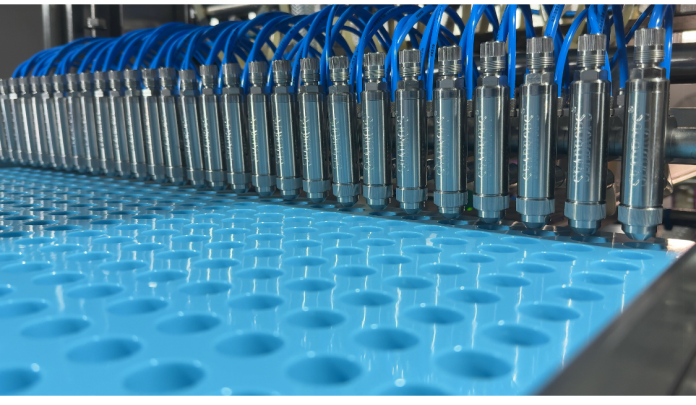
A Food Stainless Steel Spray Gun is a specialized spray gun designed for food processing. It is made from high-quality stainless steel to ensure durability, hygiene, and resistance to corrosion, making it ideal for spraying coatings like oils, chocolate, or candy coatings.
2. What is the difference between Food Spray Equipment and Food Spray System?
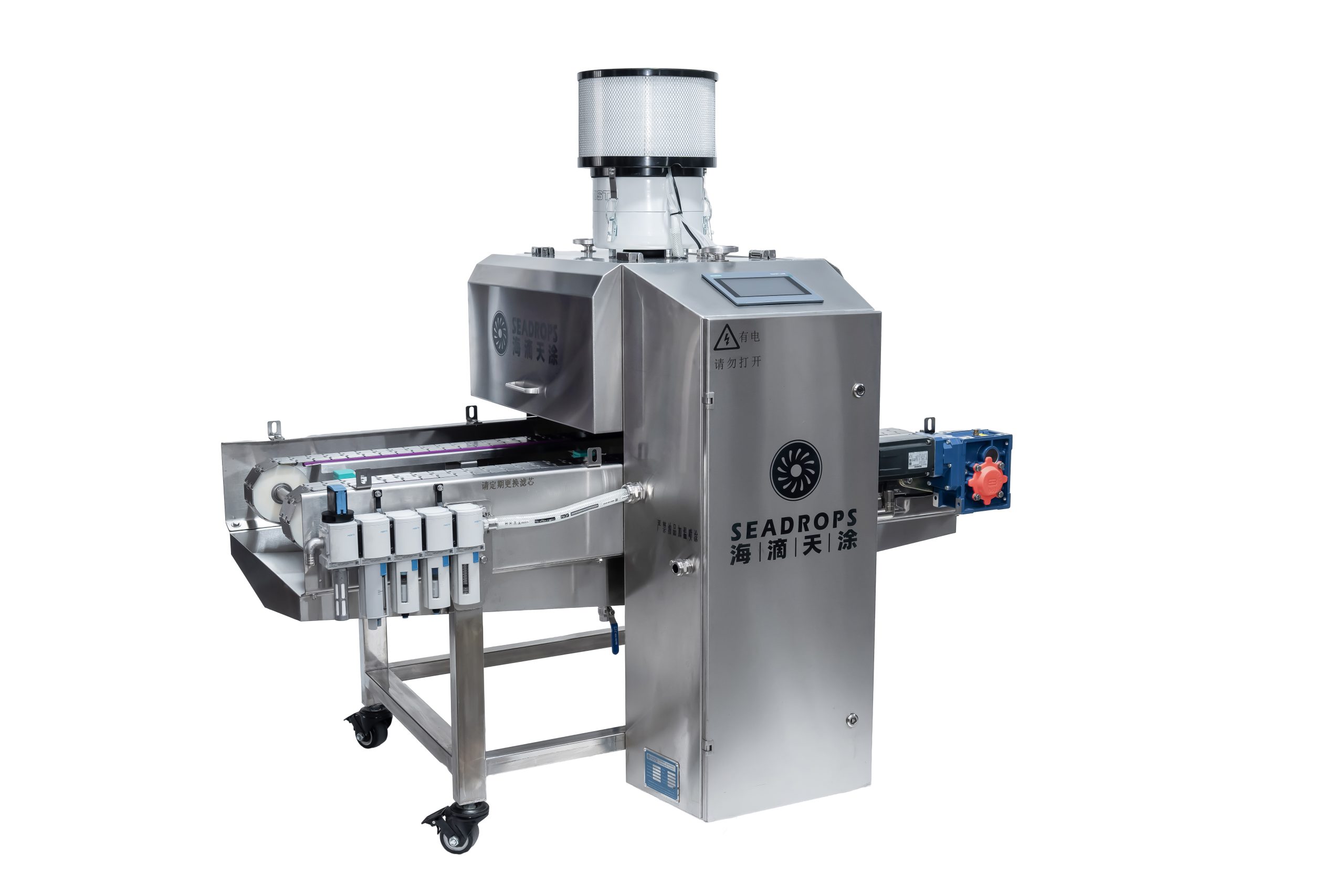
Food Spray Equipment refers to the individual machines or components used for spraying food coatings, while a Food Spray System includes the entire setup that integrates the equipment with a control system for efficient operation.
3. How does a Low Pressure High Atomization Candy Spray Gun work?
A Low Pressure High Atomization Candy Spray Gun uses low pressure to create a fine mist of coating, which ensures even application on candy surfaces, reducing wastage and improving efficiency. This technology is ideal for candy production, where precise coating is crucial.
4. How to Choose the Right Food Spray Equipment?
When selecting Food Spray Equipment, consider factors such as the type of coating, the scale of production, efficiency, ease of maintenance, and whether the equipment can handle specific food safety standards. Look for high precision and low oil waste features for best results.
5. What is the benefit of Stainless Steel Spray Equipment for Food Processing?
Stainless Steel Spray Equipment is highly durable and resistant to corrosion, making it an excellent choice for food processing environments. It ensures easy cleaning and longevity, which are essential in maintaining hygiene standards in food production.
6. What is the best Candy Spray Equipment for high efficiency?
For high efficiency, a High Efficiency Candy Spray Equipment system that offers precise atomization and reduced coating waste is recommended. These systems provide faster application with minimal product loss, improving production efficiency and reducing costs.
7. How to install and set up Candy Spray Equipment?
Candy Spray Equipment Installation typically requires professional installation to ensure all components are properly integrated and calibrated. Make sure the equipment is connected to the air and fluid supply systems correctly, and adjust settings according to the type of coating you are using.
8. What are the advantages of Stainless Steel Spray System vs Other Materials?
Stainless Steel Spray Systems offer superior durability, corrosion resistance, and ease of maintenance compared to spray systems made from other materials. They also ensure better hygiene, making them ideal for food production applications.
9. How to Choose a Candy Spray System for Production?
When selecting a Candy Spray System, ensure it meets the specific needs of your production, such as spray precision, coating efficiency, and the ability to handle varying food viscosities. Automated systems are also an excellent choice for improving consistency and minimizing manual labor.
10. What is the role of Oil Saving Food Spray Equipment?
Oil Saving Food Spray Equipment is designed to minimize the amount of oil or coating used during production. By using advanced atomization technology, it reduces waste, making it an energy-efficient option that helps lower production costs.
11. What is the buying guide for Candy Production Spray Equipment?
When purchasing Candy Production Spray Equipment, consider factors such as the production capacity, spray quality, energy efficiency, and maintenance requirements. Look for equipment that offers high precision and durability, ensuring it can meet the demands of your candy production line.
12. What is the benefit of Automated Stainless Steel Spray Systems?
Automated Stainless Steel Spray Systems increase production efficiency by reducing manual intervention and ensuring consistent application of coatings. They are ideal for large-scale food production environments where speed, precision, and hygiene are essential.
13. How can Food Spray Equipment help reduce oil waste?
Food Spray Equipment designed with advanced atomization technology reduces the amount of oil used, ensuring precise and uniform application while minimizing wastage. This is particularly beneficial in food production, where reducing waste helps cut costs and improve sustainability.