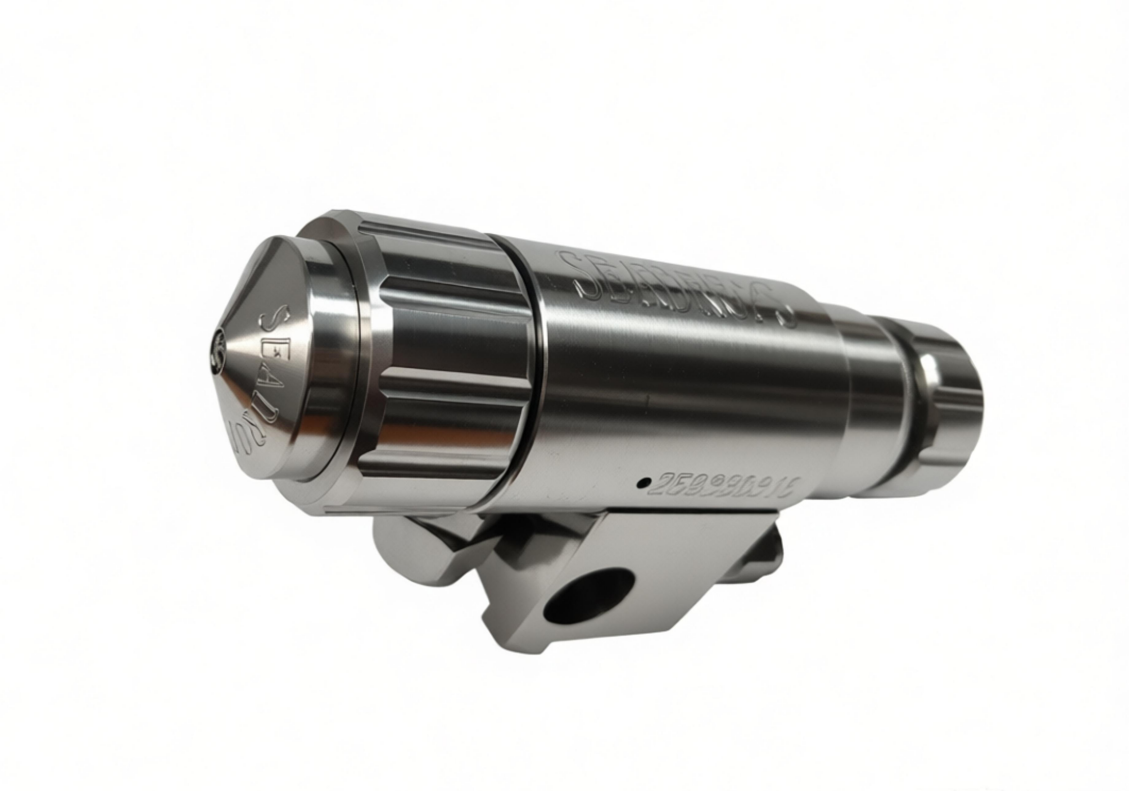
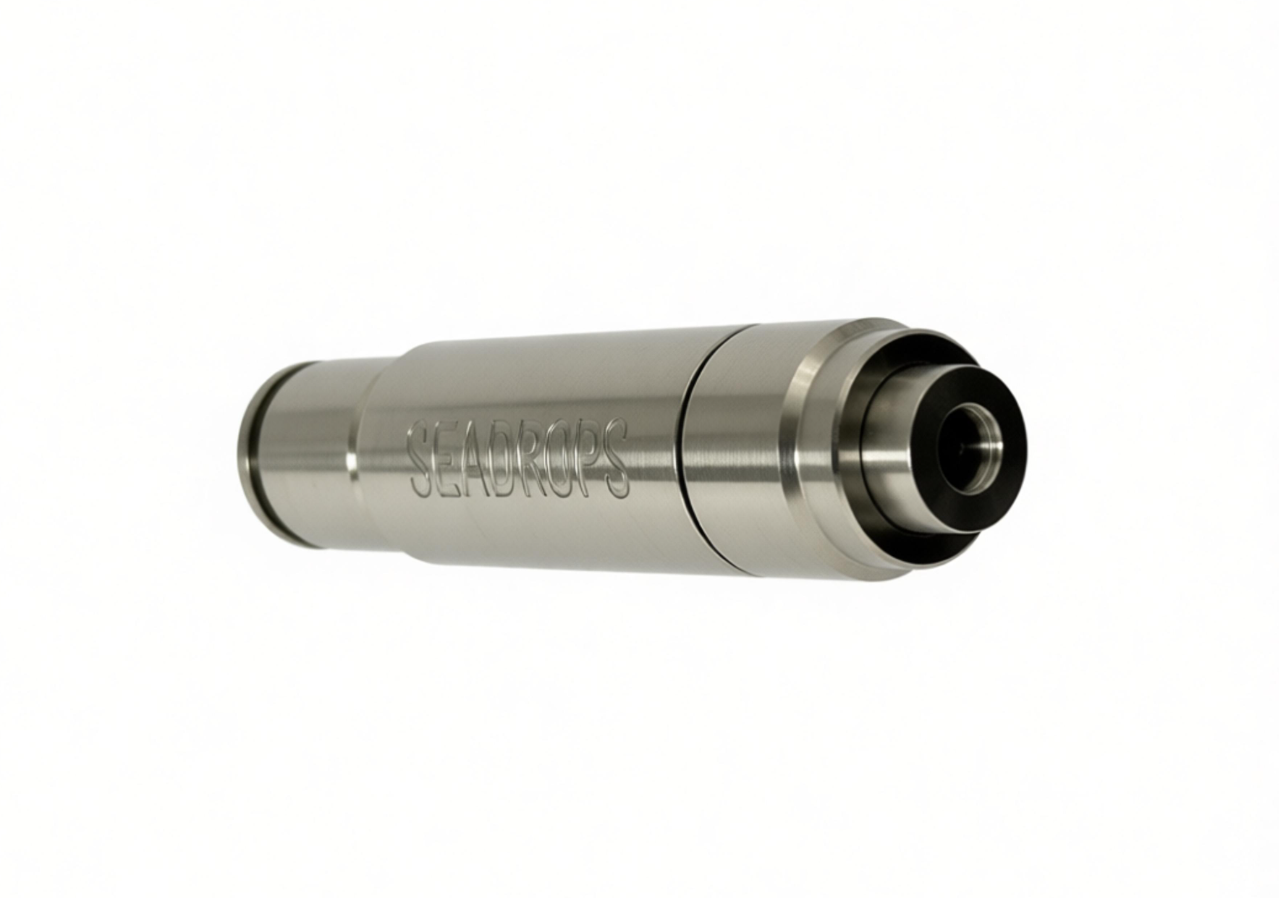
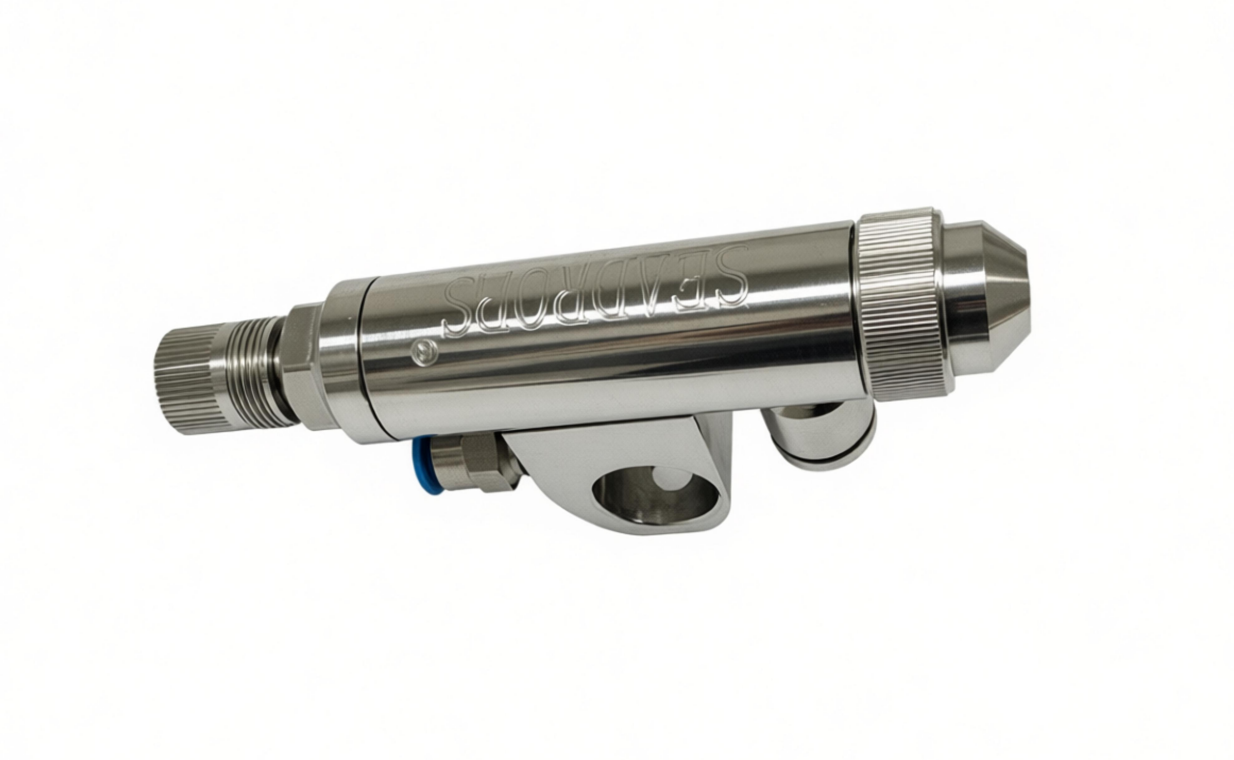
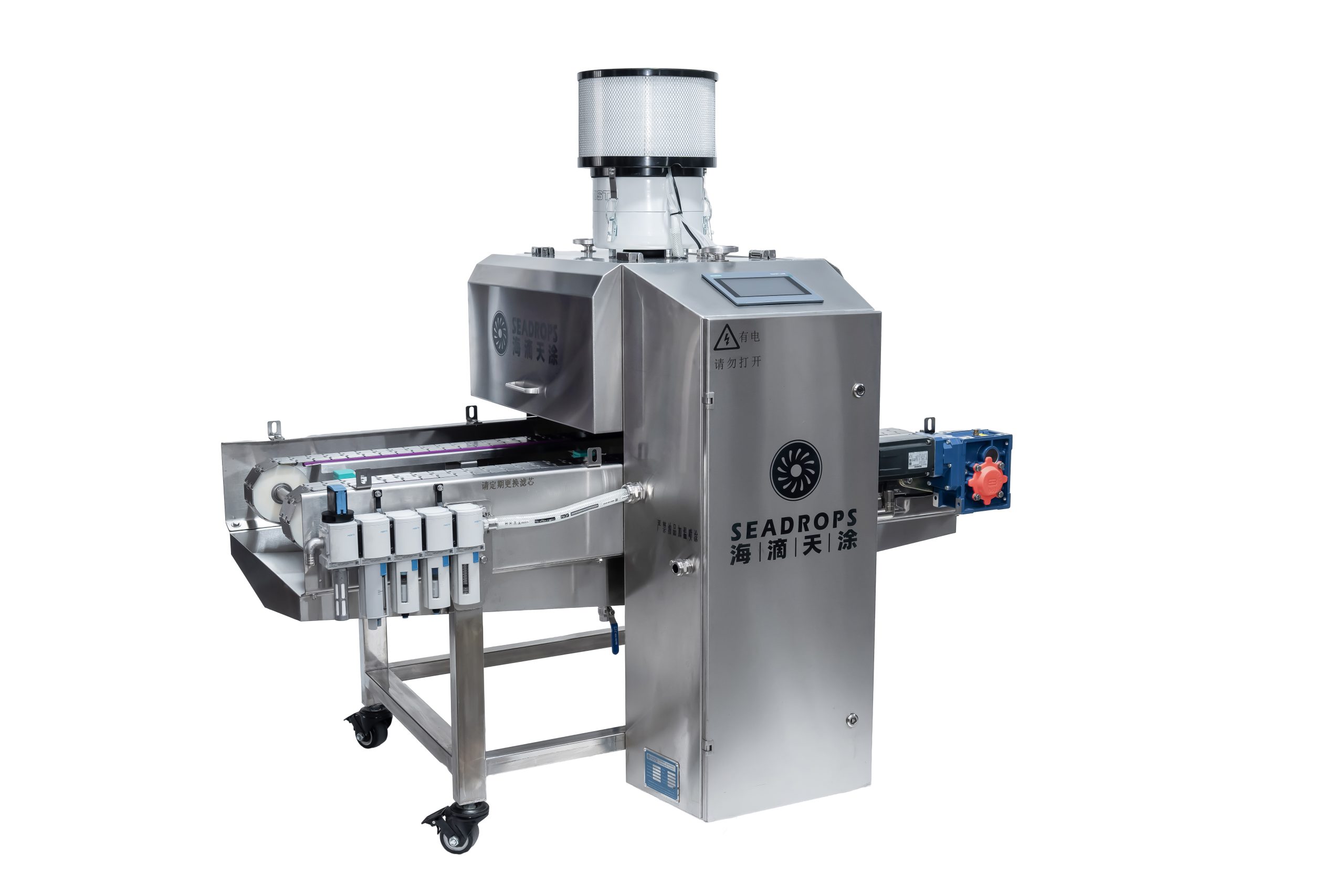
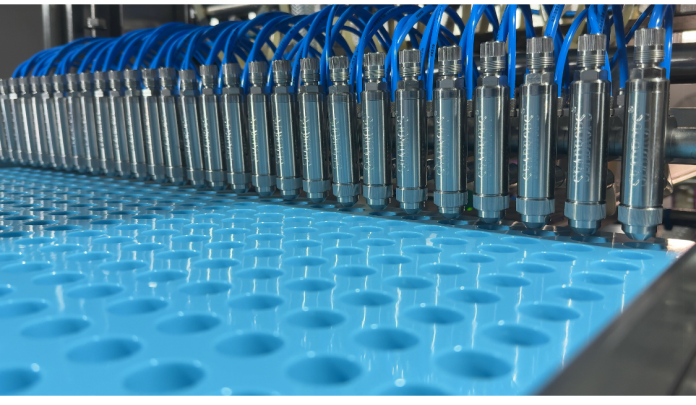
In the world of baking and confectionery, achieving the perfect result is often dependent on the right tools and techniques. These sprays, including cake release spray, candy release spray, and food release spray, help ensure smooth mold removal, prevent sticking, and improve the overall quality of the product. But how do you use these sprays most effectively? Let’s dive into the best practices for using release sprays in baking and confectionery, and understand how to get the best results every time.

1.Choose the Right Release Spray for the Job
Before applying any release spray, it’s essential to choose the right one for your specific needs. There are different types of sprays designed for different baking and confectionery applications. For example:
Cake release spray is ideal for preventing cakes from sticking to pans, providing an even and smooth release without damaging the delicate texture of the cake.
Candy release spray, on the other hand, is specifically designed for candy mould release, ensuring easy removal without causing damage to the mold or the candy itself.
Food-grade release spray is essential for any food-related application, ensuring that the ingredients used are safe for consumption and comply with food safety standards.
2.Apply the Right Amount of Spray
Using too little or too much release agent spray can result in suboptimal results. Applying a thin, even layer is key to achieving perfect mold release. A light misting of non-stick cake spray or release oil automatic spraying guns should suffice for most applications. Over-applying may result in excess residue on the baked goods, while under-applying could lead to sticking and uneven results.
For cakes and pastries, a light, even spray helps maintain texture, while for candy mould release spray used in confectionery production, ensure the spray is evenly distributed on the surface of the mould for consistent results.
3.Use at the Right Time
The timing of applying your release spray is crucial. It’s best to apply food-grade release spray just before placing your batter or dough into the pan or mould. For example, with cake release spray, it’s best to apply it to the pan right before you pour in the cake batter. If applied too early, it may begin to wear off or absorb into the surface, reducing its effectiveness.
In confectionery, candy mould release spray should be applied to the mould just before pouring in melted candy or chocolate. Applying it too early can result in the spray losing its efficacy before it’s needed.
4.Ensure Proper Storage of Equipment
To get the best results from candy mould release oil sprayers and other release spray equipment, proper maintenance is crucial. Always clean the spray nozzle and equipment after use to prevent clogging, as leftover residue can interfere with future applications. If you’re using an automatic candy release sprayer or release oil automatic spraying gun, make sure to follow the manufacturer’s instructions for cleaning and storing the equipment.
5.Test and Adjust for Different Recipes
Not all recipes will respond to release sprays in the same way. For example, a dense cake batter may need a heavier application of cake release spray, while lighter batters may only require a fine mist. When using sprays in confectionery, such as with candy mould release oil sprayers, the type of candy or chocolate being used may also affect how much spray is needed. Premium cake release spray for heavy batters and non-toxic candy mould release sprays for chocolate work best when adjusted to suit the consistency of your ingredients.
Conclusion
Using release sprays like cake release spray, candy mould release spray, and food release spray can make a world of difference in the kitchen. They help prevent sticking, improve the consistency of your bakes, and reduce the mess during cleanup. By following these best practices — choosing the right spray, applying the right amount, and ensuring proper timing and equipment maintenance — you can achieve flawless results every time. Whether you’re using release sprays for baking, candy production, or any other food-related task, these sprays are essential for producing high-quality, professional-level results.